Outstanding Projects 1
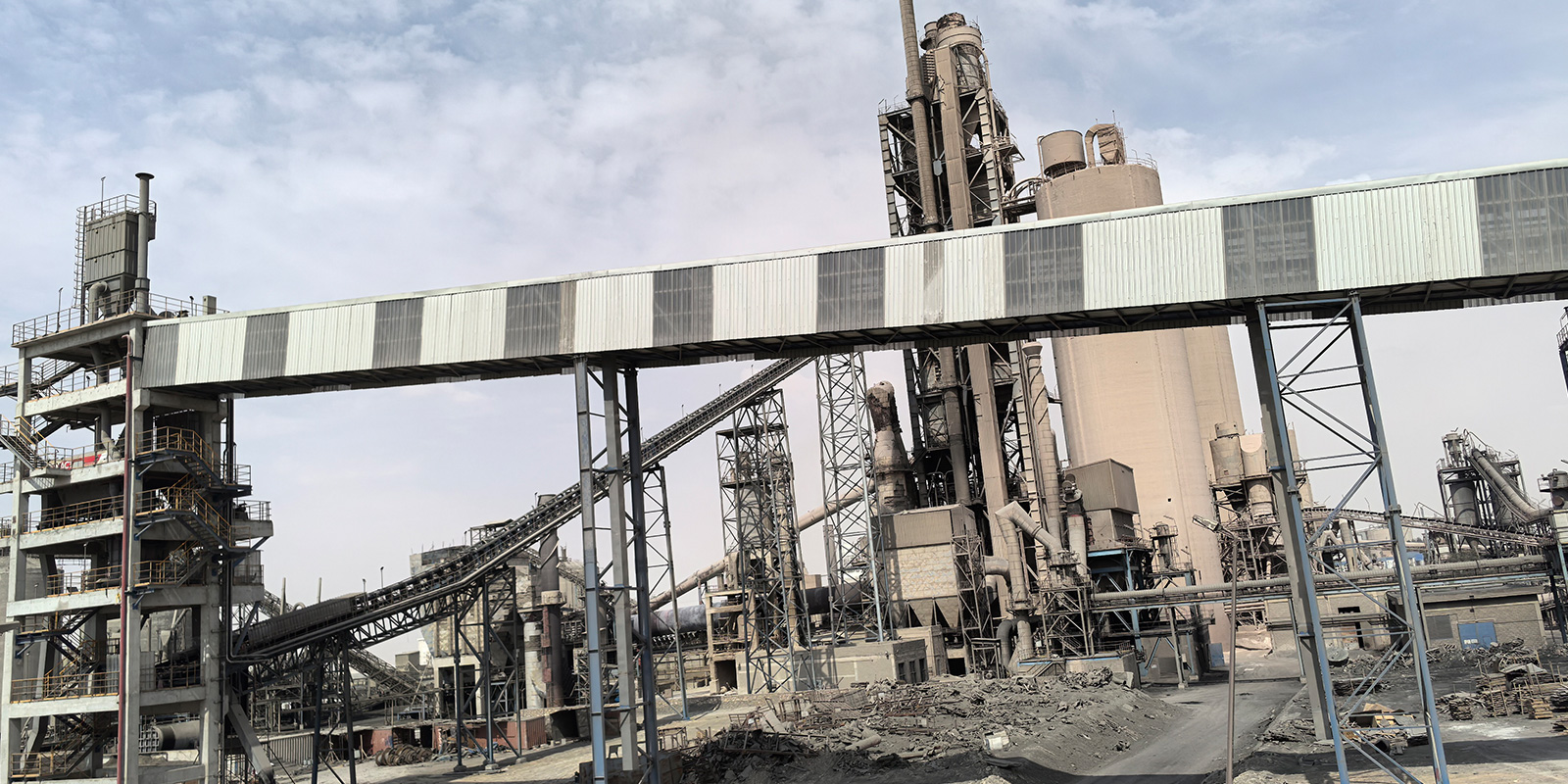
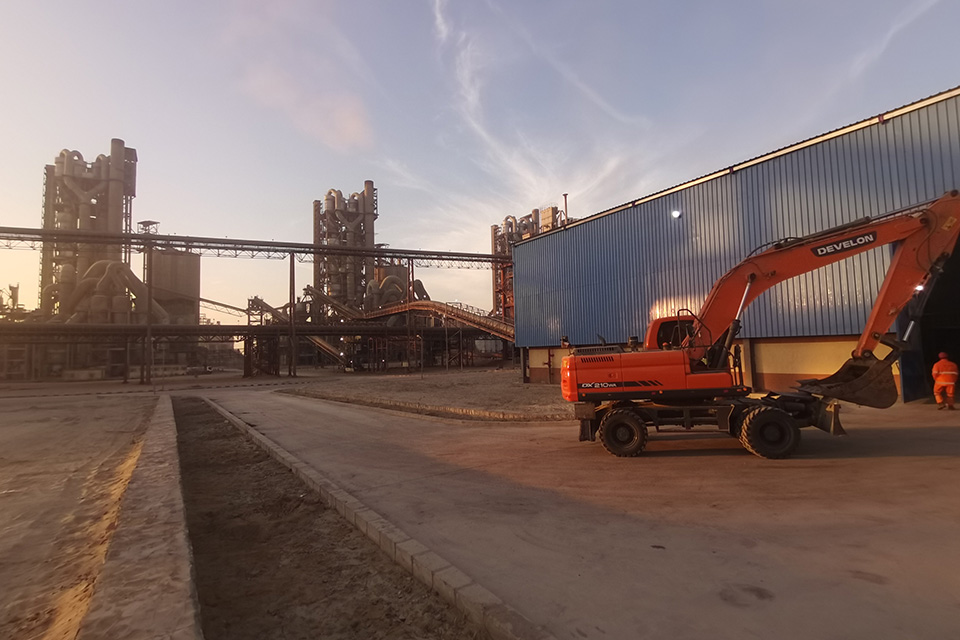
Egypt NCC Alternative Fuel Processing System (RDF) project
In 2024, the Alternative Fuel (RDF) Processing System Project of Egypt NCC (hereinafter referred to as Egypt NCC RDF Project), contracted by CDI, successfully passed the performance test and obtained the Provisional Take-Over Certificate (PTOC) issued by the owner.
The Egypt NCC Alternative Fuel Processing System is designed to handle Refuse Derived Fuel (RDF) and biomass. Its construction scope includes an alternative fuel storage shed, deodorization system, feeding, distribution, metering and conveying systems—all independently developed by CDI. Leveraging the extensive experience in alternative fuel processing engineering, the project quickly achieved stable and continuous feeding of alternative fuels and stable operating conditions of the sintering system, despite challenges such as diverse alternative fuel sources, significant fluctuations in fuel composition and calorific value, uneven particle size, and moisture content up to 30%. It has been highly recognized by the owner.
After commissioning, the Egypt NCC RDF Project will consume 180,000 tons of alternative fuels annually, save 72,000 tons of standard coal, and reduce CO₂ emissions by 200,000 tons. It is of great significance for promoting circular economy initiatives such as resource conservation and intensive utilization, and green and low-carbon development. Meanwhile, it can reduce foreign exchange demand for coal imports, creating favorable economic and social benefits for the owner.
Outstanding Projects 2
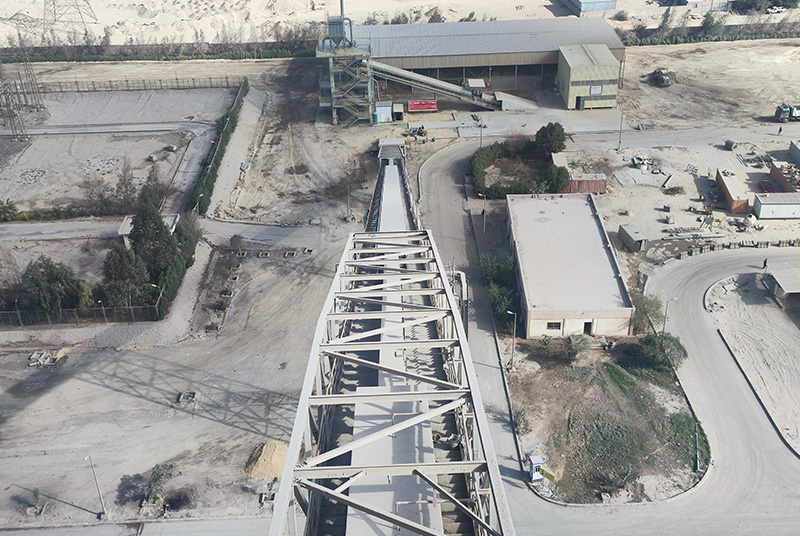
Egypt SCC Alternative Fuel Processing System (RDF) project
The Egypt SCC waste alternative fuel project, which will be contracted by CDI in 2025, has obtained the PTOC certificate. The project can efficiently process various alternative fuels such as waste derivatives (RDF), biomass alternative fuels, and waste tires (TDF), with a kiln tail fuel substitution rate of 60%. It will consume about 70000 tons of waste fuel annually, save about 30000 tons of standard coal, and reduce carbon dioxide emissions by about 80000 tons.
By efficiently utilizing waste derivatives, the environmental pressure caused by landfill and incineration has been effectively reduced. The production and operation of this project have significant economic, environmental, and social benefits.