Solid Waste and Circular & Green Economy

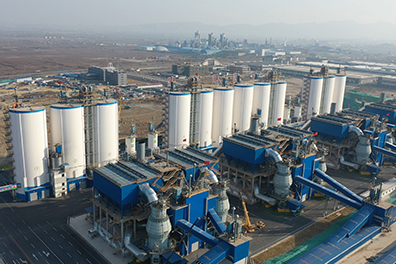
For many years, CDI has been deeply involved in the fields of solid waste and circular economy, and has expanded its international and domestic industry heights with strong technological strength and advanced strategic vision. This is reflected in the following aspects: Breaking through the bottleneck of bulk solid waste treatment technology: The Hebei Qingfeng Green Energy Project constructed by CDI has achieved technological breakthroughs in difficult to treat solid waste such as steel slag and coal gangue. Among them, the suspension calcination system jointly developed by Qingfeng Green Energy Company and CDI has a good treatment effect on coal gangue sintering decarbonization, providing a replicable solution to solve the problem of industrial solid waste disposal.

Slag

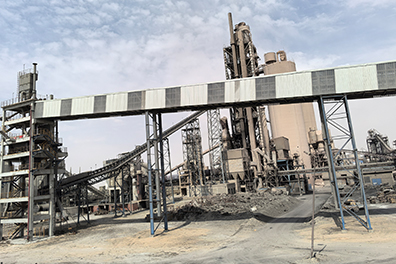
CDI has been actively conducting research in the fields of solid waste and circular economy for many years, and has now achieved key breakthroughs that are needed. On May 10, 2022, the Egypt GOE NCC 60TPH slag grinding project (hereinafter referred to as the "Egypt NCC Slag Grinding Project") undertaken byCDIobtained the PTOC certificate issued by the owner, marking the successful performance of the project. All assessment indicators are superior to the contract requirements and standards, with excellent product performance and high market recognition.

Coal Gangue

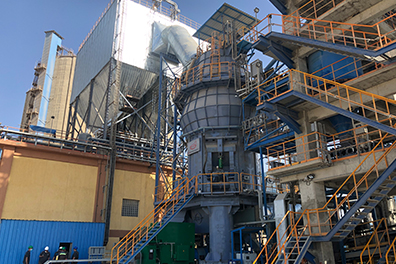
As a "by-product solid waste" of the coal industry, coal gangue has long been stockpiled, becoming an ecological pain point in coal-producing areas — the cumulative stockpiling volume across the country has exceeded 7 billion tons, forming over 2,600 gangue hills. These not only occupy a large amount of land but also easily cause problems such as soil pollution, water seepage, and spontaneous combustion that releases harmful gases. The coal gangue utilization technology developed by CDI has achieved major breakthroughs, and its large-scale disposal has realized the dual breakthroughs of reduction and harmlessness.

Sewage Treatment

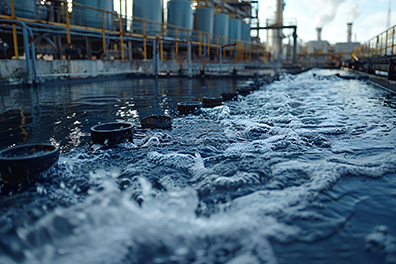
CDI has honed its strong sewage treatment capabilities through years of global general contracting experience. On the one hand, it contributes to the "dual carbon" goal and promotes circular economy. On the other hand, if energy-saving equipment (such as low-power water pumps and intelligent dosing systems) is used in the sewage treatment process, it can reduce the overall energy consumption of cement projects and indirectly reduce carbon emissions; On the other hand, some cement wastewater can be "reused" after treatment, replacing fresh water sources (such as industrial water), reducing the exploitation of municipal water supply or groundwater, and achieving "water resource recycling". This dual effect of "carbon reduction+water conservation" is in line with the national "dual carbon" strategy and the requirements of circular economy development, providing a replicable model for the cement industry to achieve "green production".